
Commander is at its heart a casual format. That said, there’s nothing wrong with wanting to win. Some of the best games can be had when players build and play in a more competitive mindset, even when you’re putting restrictions on your deckbuilding. So, how do you “get good” at Commander? Here are a few choice tips.
FIGURE OUT WHAT YOUR WIN CONDITION IS
The first (and perhaps biggest) step to getting good at Commander is to figure out what your win condition is. If you approach deckbuilding too casually – just jamming in cards you like, and counting ramp and card draw and removal – without actually figuring out how your deck wins, you’re going to struggle with, well, winning.
First off, figure out what meta-archetype you’re in. Are you more of an Aggro deck, more of a midrange deck, or more of a control/combo deck?
- Aggro decks win through combat damage. They want to eliminate opponents before they can try to win themselves. In these decks, you need to always consider the minimum viable board to knock out an opponent, and then reverse engineer from there – how do you get that board into play as fast as possible? How do you keep it in play?
- Midrange decks tend to have a slower strategy, but still win primarily through reducing life totals. They play bigger more expensive creatures, and prefer haymakers to going wide. You need to consider how to get those creatures into play (through Ramp? Cheating mana costs? Reanimator?) and how to keep ahead on board.
- Control/combo decks – which I refer to that way because control decks need a combo win con in Commander, in order to not make your win condition “the table is bored so they all scooped” – need to figure out how to reach their win condition while staying alive long enough to deploy it. Do you need fogs? More board wipes?
These are just some basic ideas to get your juices flowing. If you would like an example of how to go deeper on this kind of thinking, check out my article on beginner tips for playing combo in Commander.
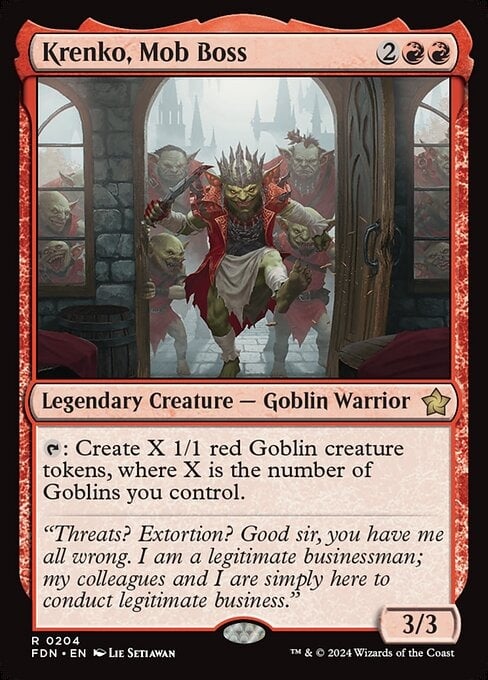
After you identify the meta-archetype, you can consider the main archetype of your deck. For example, you might be in the Aggro meta-archetype, but within that, you have everything from Goblin spam to Voltron. A Goblins deck will have totally different win conditions to a Voltron deck, so you gotta go deeper to really lock in.
Once you figure out your win condition(s), you can decide how much redundancy you need, or whether you want to bake in some alternate win conditions, too. Hofri is my Boros deck with eight win conditions, many of which have some crossover, which you can read about here for some more in-depth analysis.
PLAY A DECK A LOT, AND LOSE WITH IT
Playtesting a deck for most casual Commander players extends to goldfishing it a few times before heading into a few games. The thing is, that isn’t enough to know how your deck functions. For starters, are you goldfishing in the best way? While you can’t simulate opponents perfectly, you at least need to randomize interaction. Simulating board wipes and removal at the very least provides a much better readout on whether your deck can be resilient enough.
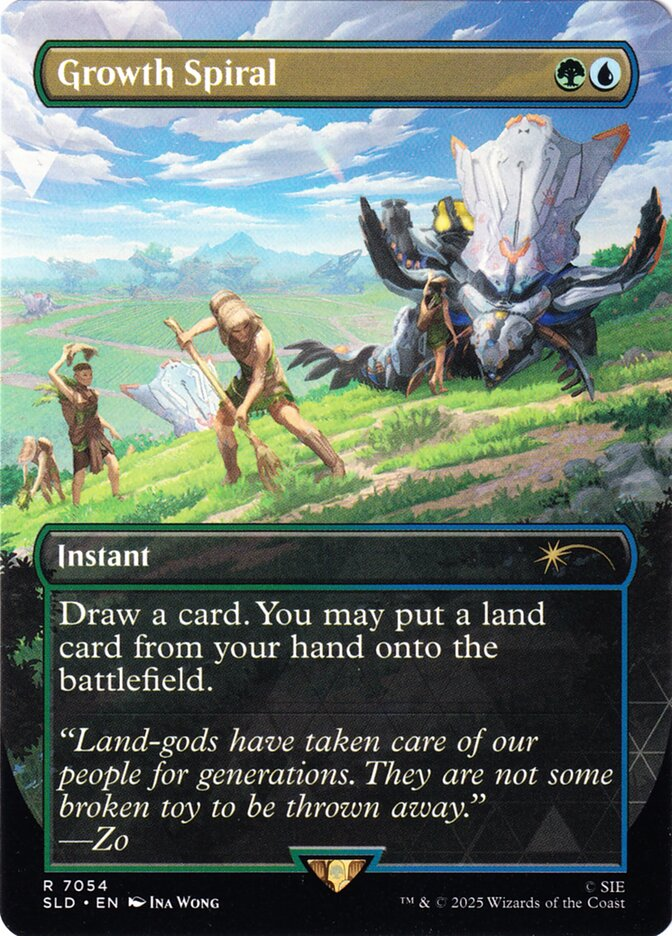
Goldfishing is best to figure out if you have enough lands, and enough card draw. Beyond that, you need to play some proper games. Because of the natural variance of playing a 100-card singleton multiplayer format, it’s hard to get a read on your deck unless you get some reps in. Personally, I don’t tend to feel justified in making cuts and changes to my beta list until I’ve played ten games. While my gut instinct is usually correct before I hit that tenth game, you absolutely need to account for variance. Some games opponents and conditions enable you a lot more, and likewise, some games you’ll just flood.
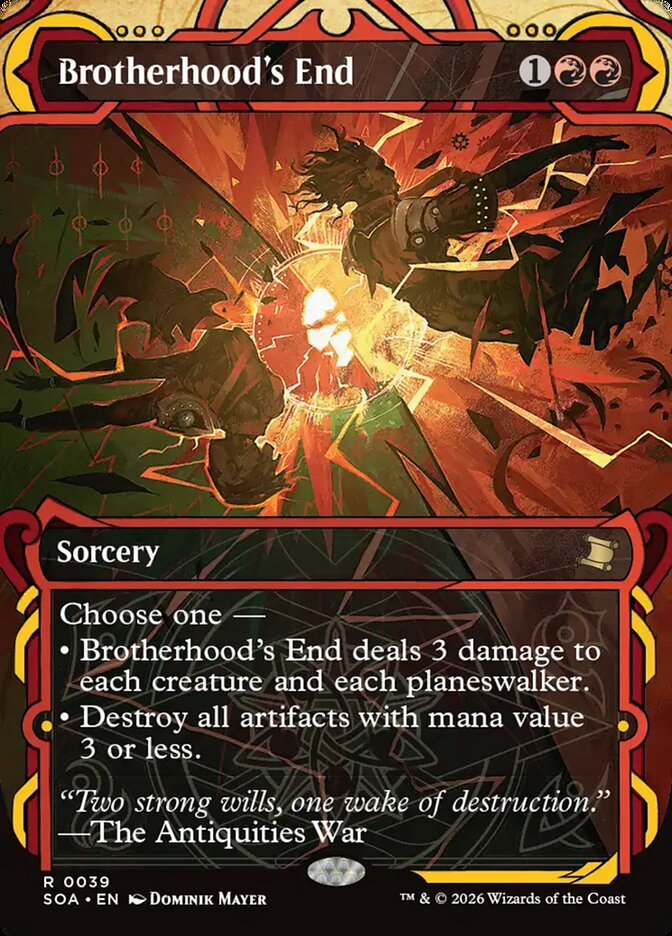
Losing with a deck is more valuable than winning with it at this stage, as it teaches you a lot more about how you need to change tack. Are you consistently falling behind before turn four? Well, you need to ask yourself if you need more one and two drops, or if you need more cheap sweepers. Are you struggling to piece together a win? Well, you might need more redundant effects. Likewise, are you playing too many tapped lands? You’ll only know this if you play more games.
LEARN HOW TO MULLIGAN
Commander isn’t exactly famous for strict mulligans, and it’s generally assumed that people are free to mulligan a little more than they ordinarily can within the rules. Mulliganing to hit “lands and spells” is the general approach, even more so once you’ve exhausted one or two free mulligans. For the purposes of this section, I’m going to assume that you aren’t being self-indulgent with your mulligans, and that you do want to learn what better constitutes a good hand.
To figure out what your opening hand ideally needs, you should consider:
- A minimum quantity of lands necessary to play the game
- A form of card draw, especially if your Commander doesn’t draw cards
- A piece or two of your overall strategy – if that’s Elves, it’s Elves. If it’s equipment, you need a body and something to equip it with.
Most folks stop there, and that’s totally fine. You’ll have a good time and get to play the game. That said, beyond that, you should assess the rest of the pod and the Commanders you’re facing.
- Do you need removal to deal with a potential early snowball?
- Do you need a wrath because you’re a slower deck?
- Do you need to prioritise ramp to race another deck?
These are all reasonable things to consider, and even beyond that you might consider keeping a hand with a lifegain effect if someone’s on burn, for example. At the end of the day, The Cards You Play in Commander Don’t Matter, at least not so much as what your opponents are doing.
END STEP
Each of these subsections could easily have a whole article dedicated to them, so let us know if you’d like to read more. Applying these philosophies to your Commander games can help you become a better player. If you’d like to refine these skills even more then try playing some more Draft or Sealed, or even try the Brawl queue on Arena.
Above all, the golden rule of being good at Commander remains being good, in the personality sense. You gotta behave in a way that gets you invited back, and make it a great experience for the table.

Kristen is Card Kingdom’s Head Writer and a member of the Commander Format Panel. Formerly a competitive Pokémon TCG grinder, she has been playing Magic since Shadows Over Innistrad, which in her opinion, was a great set to start with. When she’s not taking names with Equipment and Aggro strategies in Commander, she loves to play any form of Limited.